
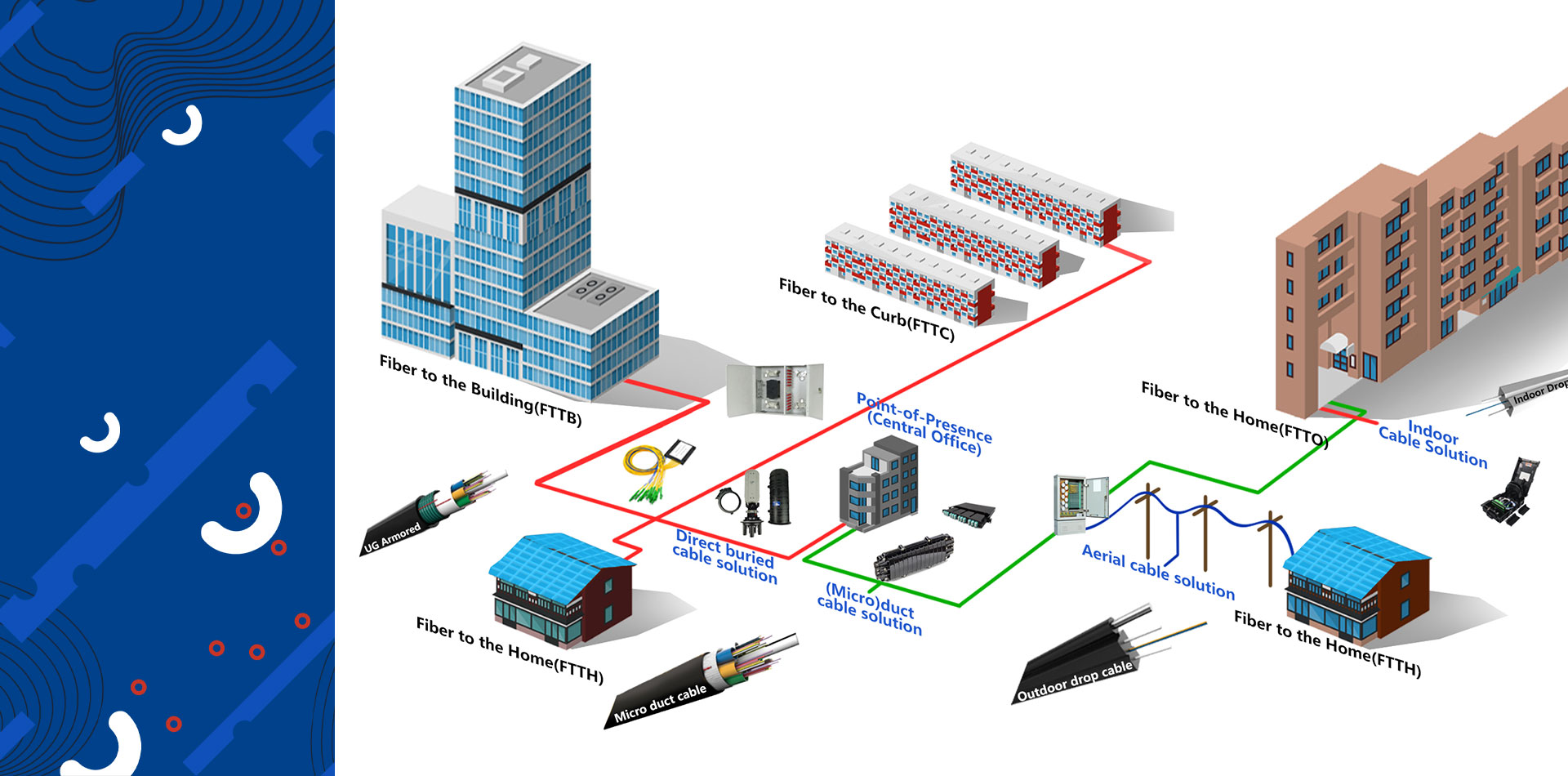
West Africa Fiber Optic Project Enters Installation Stage with Hunan Jiahome Cable Solutions
Hunan Jiahome is pleased to share a new project update from Burkina Faso, where products supplied to our customer have entered the installation stage. The order includes 8-core G.652D underground fiber optic cable, with a total length of 21 km, and a 48-core OPGW joint box. These products are designed for different fiber optic installation requirements, from underground cable deployment to optical fiber splicing and protection in overhead ground wire systems.
As a fiber optic cable manufacturer and supplier, we – Hunan Jiahome supports international telecommunications and power infrastructure projects with practical fiber optic products tailored to project specifications. This delivery demonstrates our commitment to supplying dependable cable and fiber management solutions for customers across global markets.
Project Update: Fiber Optic Products Ready for Installation in West Africa
The products purchased by our customer in West Africa have now progressed to the installation stage, marking an important step in the project.
The order includes two products:
- 8 Core G.652D Underground Fiber Optic Cable – 21 km
- 48 Core OPGW Joint Box
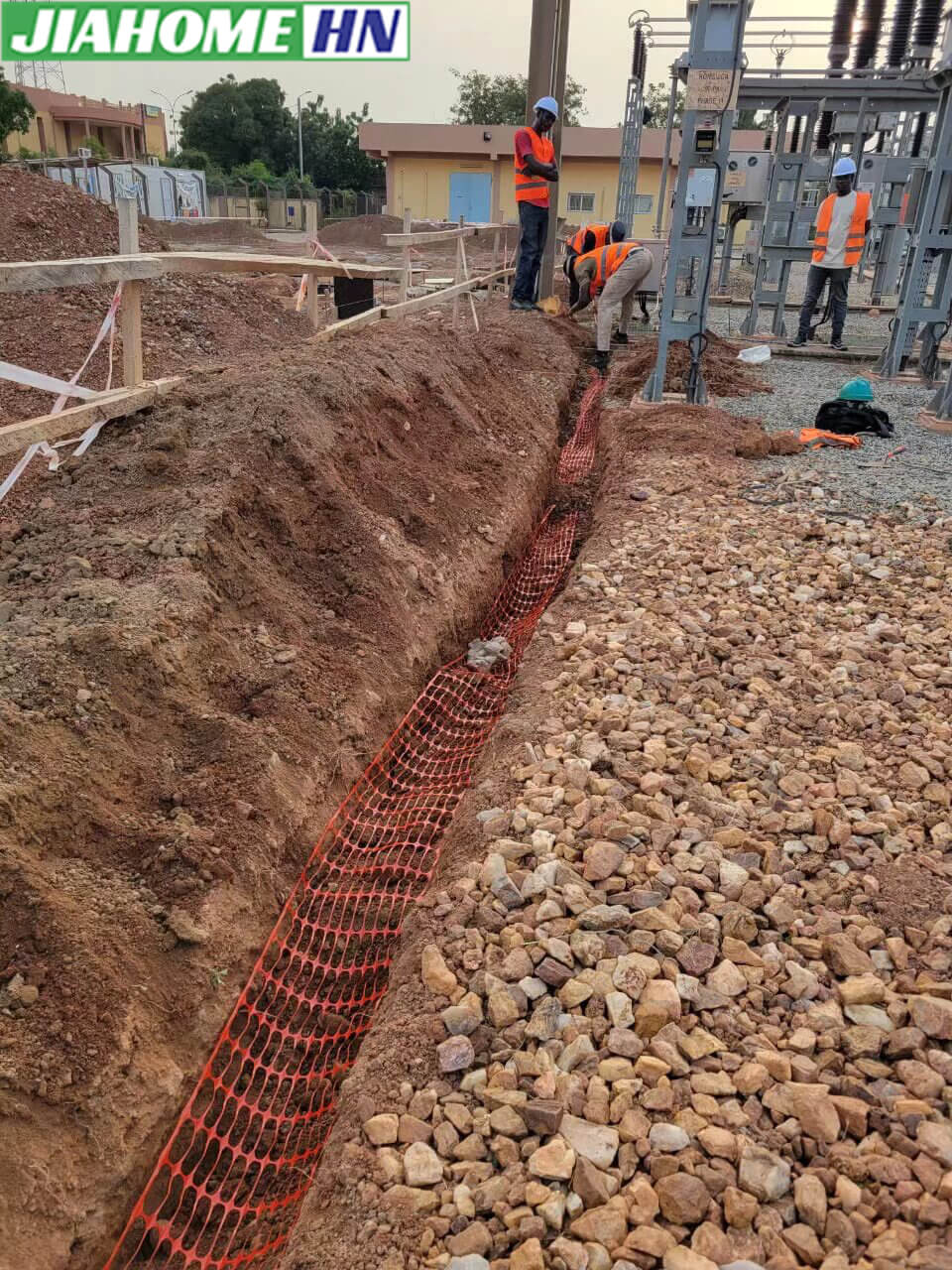
Each product serves a distinct purpose in fiber optic infrastructure. The underground fiber optic cable provides an optical transmission medium for buried cable routes, while the OPGW joint box is used to accommodate and protect optical fiber splices in compatible Optical Ground Wire (OPGW) systems.
For infrastructure contractors, selecting suitable cable and fiber optic jointing accessories is essential for efficient installation, reliable connections, and long-term network maintenance.
At Hunan Jiahome, we understand that every project has specific requirements for cable structure, fiber count, installation conditions, and connection methods. Our goal is to help customers identify appropriate OPTICAL FIBER CABLE SOLUTIONS for their intended applications.
1. 8 Core G.652D Underground Fiber Optic Cable – 21 km
What is it? An underground fiber optic cable containing eight optical fibers, based on the G.652D single-mode fiber specification, supplied in a total project quantity of 21 km.
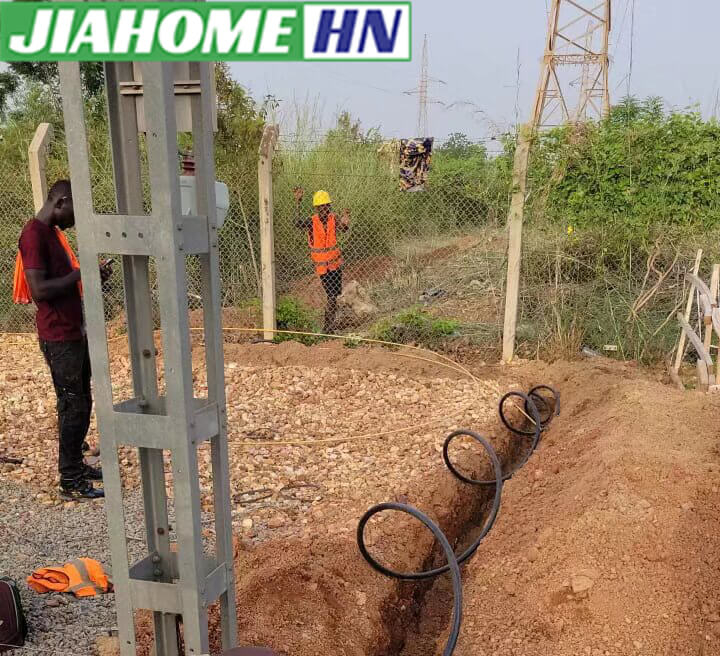
What Is G.652D Underground Fiber Optic Cable?
G.652D is a widely used category of single-mode optical fiber standardized by the ITU-T. It supports optical transmission across common telecommunications wavelength bands, including the 1310 nm and 1550 nm regions, subject to the cable and system specifications.
Underground fiber optic cables are installed below ground to protect optical transmission lines from direct exposure to environmental conditions. Depending on their construction, they can be deployed in ducts, conduits, or direct-burial applications.
The appropriate installation method depends on the cable’s actual structure and mechanical protection. Not every underground cable is suitable for direct burial.
Key Features of 8 Core G.652D Fiber Optic Cable
1. Eight optical fibers for network connectivity
An 8-core fiber optic cable contains eight individual optical fibers. This configuration can serve applications requiring a relatively small fiber count, such as access networks, local communication links, and connections between network facilities, depending on the project’s design.
2. G.652D single-mode fiber
G.652D fiber is widely used in telecommunications networks because of its established transmission characteristics and compatibility with common single-mode optical communication systems.
3. Underground installation options
Underground cable routes can help protect communication infrastructure from direct exposure and keep cables out of sight. The required cable construction may vary depending on whether the cable is installed in a duct or buried directly in the ground.
4. A 21 km project supply
For this West Africa project, Hunan Jiahome supplied a total of 21 km of 8-core G.652D underground fiber optic cable. Correct cable selection, route planning, handling, and installation practices are important for maintaining optical performance throughout the deployment.
Where Is Underground Fiber Optic Cable Used?
Underground fiber optic cables can be used in various communication infrastructure projects, including:
- Telecommunications access and distribution networks
- Fiber connections between buildings and network facilities
- Internet service provider infrastructure
- Industrial communication networks
- Underground fiber routes connecting different network locations
The exact application depends on the network architecture, cable design, and installation requirements.
2. 48 Core OPGW Joint Box for Optical Fiber Splicing
What is it? An OPGW joint box is a protective enclosure used to organize, accommodate, and protect optical fiber splices at suitable OPGW cable joint locations.
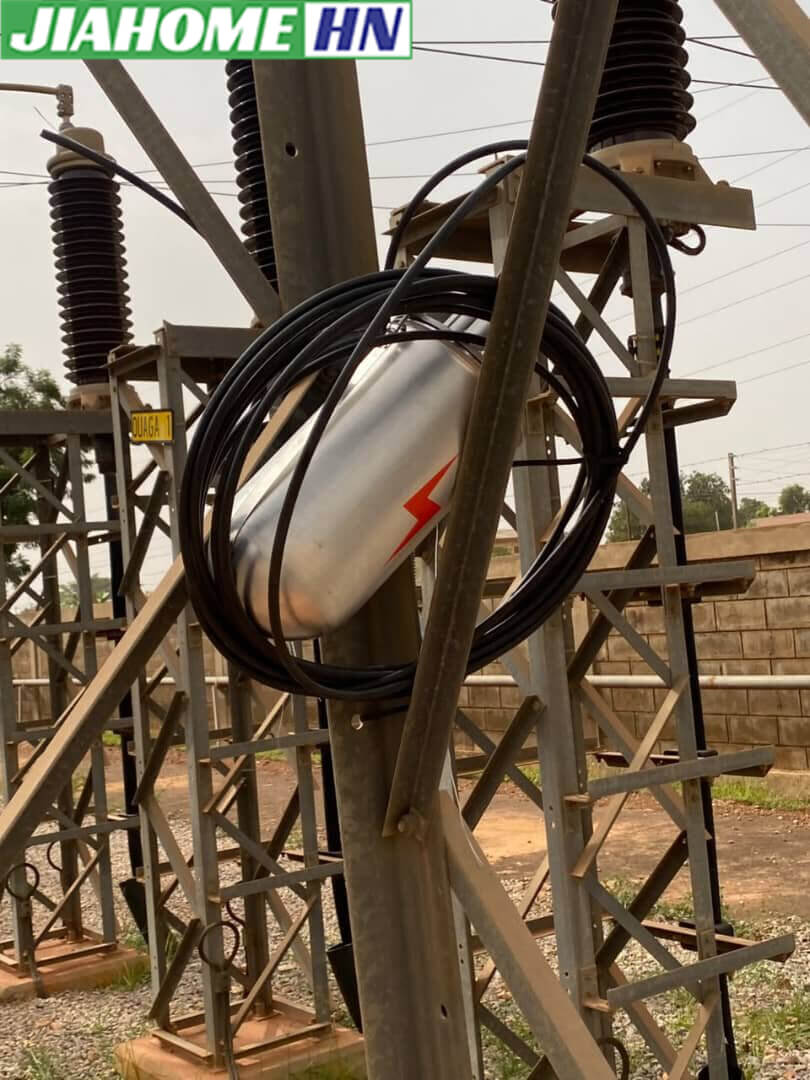
What Is an OPGW Joint Box?
OPGW stands for Optical Ground Wire. It is a specialized overhead ground wire that incorporates optical fibers and is commonly used on power transmission lines.
An OPGW joint box, also called an OPGW fiber optic splice closure, protects fiber splices and helps maintain organized fiber routing where compatible OPGW cable sections are joined.
In power transmission projects, this component is important because optical fiber connections must be protected under the environmental and mechanical conditions associated with overhead line infrastructure.
Why Is a 48 Core OPGW Joint Box Important?
1. Protection for optical fiber splices
Optical fiber splices require suitable protection against environmental exposure and other conditions specified for the installation. A properly selected joint box helps protect these connections.
2. Organized fiber management
The joint box provides space for fiber routing and splice organization according to its internal design. Proper fiber management helps reduce the risk of excessive bending or damage during installation and maintenance.
3. Compatibility with OPGW systems
The joint box must be compatible with the OPGW cable structure, cable entry arrangement, installation method, and required splice capacity. The number of fibers and the enclosure’s actual capacity should be verified against the project specification.
4. Support for power communication infrastructure
OPGW systems can carry optical communication signals alongside their role as overhead ground wires. Properly selected jointing accessories help support the continuity and protection of the optical communication system.
Typical Applications of OPGW Joint Boxes
OPGW joint boxes are commonly used in:
- High-voltage and extra-high-voltage transmission line projects
- Utility optical communication networks
- Overhead power line fiber optic installations
- Optical fiber jointing points along OPGW routes
- Power system communication and monitoring infrastructure
For a successful installation, buyers should confirm the required fiber capacity, OPGW diameter, cable entry configuration, mounting method, environmental protection requirements, and compatibility with the selected joint box.
3. Looking for an Underground Fiber Optic Cable or OPGW Joint Box Supplier?
Whether you are planning an underground telecommunications network or an overhead power line communication project, selecting products that match the project specification is essential.
Hunan Jiahome can assist buyers in evaluating fiber optic cable options and related accessories based on requirements such as fiber count, cable structure, installation environment, and jointing configuration.
If you wanna buy 8-core G.652D underground fiber optic cable, OPGW accessories, or other fiber optic products for an upcoming project, contact our team to discuss your requirements.
Hunan Jiahome — Fiber Optic Cable Solutions for Global Infrastructure Projects.
Contact us to request product specifications, technical information, and a quotation for your next project.
Frequently Asked Questions
1. What is 8-core G.652D underground fiber optic cable?
It is an underground fiber optic cable containing eight single-mode optical fibers that conform to the G.652D fiber specification.
2. What is G.652D fiber used for?
G.652D fiber is widely used in telecommunications and data transmission networks. It supports common single-mode optical transmission systems and is suitable for many access, metropolitan, and backbone network applications.
3. Can underground fiber optic cable be directly buried?
Some underground fiber optic cables are designed for direct burial, while others are intended for installation in ducts or conduits. Buyers should verify the cable’s mechanical protection and manufacturer specifications before selecting the installation method.
4. What is an OPGW joint box?
An OPGW joint box is an enclosure used to protect and organize optical fiber splices at suitable joint locations in Optical Ground Wire systems installed on overhead power lines.
5. What is the difference between OPGW and an OPGW joint box?
OPGW is the optical fiber-containing overhead ground wire itself. The OPGW joint box is an accessory that houses and protects optical fiber splices associated with the OPGW system.
6. How do I select a suitable OPGW joint box?
Check the OPGW cable diameter and structure, required splice capacity, cable entry arrangement, mounting method, environmental conditions, and compatibility with the installation design.
7. What information should buyers provide when requesting an underground fiber optic cable quotation?
Buyers should specify the fiber type, number of cores, required length, cable construction, installation method, applicable standards, testing requirements, packaging, and delivery destination.
8. Does Hunan Jiahome supply both fiber optic cables and related accessories?
Hunan Jiahome supplies a range of fiber optic cables and related products for telecommunications and power infrastructure projects. Availability and compatibility of specific accessories should be confirmed with the sales team.
Post time: Oct-28-2026