
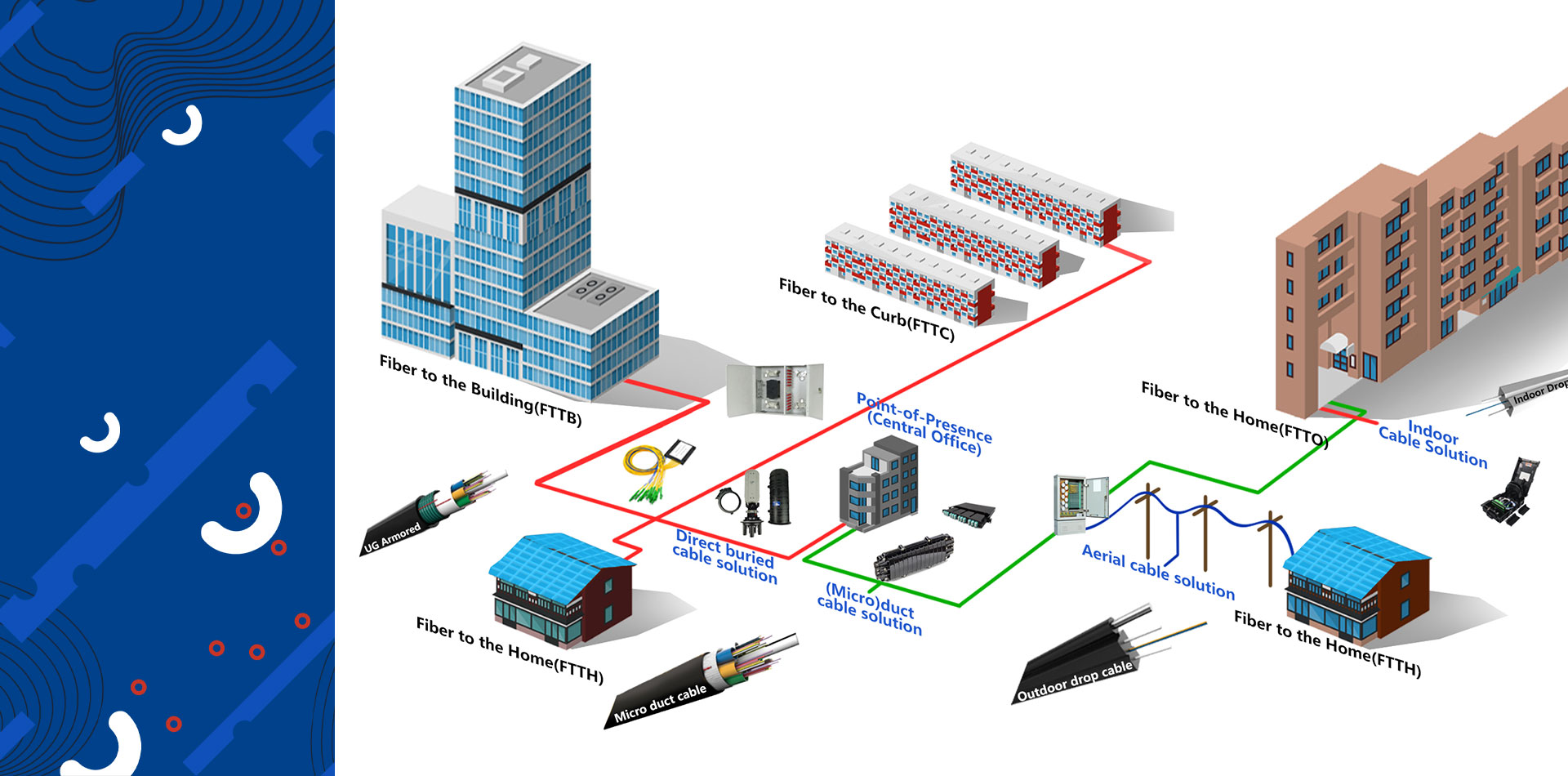
A 48 Core OPGW Joint Box plays an essential role in protecting, connecting, and managing optical fibers inside an Optical Ground Wire (OPGW) transmission line system. It provides a secure enclosure for fiber splicing points, protects fusion splices from moisture, dust, mechanical damage, and environmental exposure, and ensures reliable optical communication between substations and power network control centers.
For high-voltage transmission projects, particularly 110kV, 220kV, and 500kV overhead lines, a properly selected OPGW joint box helps maintain stable communication, simplifies future maintenance, and supports the long-term reliability of the power grid.
1. What Is a 48 Core OPGW Joint Box?
A 48 Core OPGW Joint Box is a specialized enclosure designed to protect and organize the optical fiber splicing connections of a 48-fiber Optical Ground Wire (OPGW).
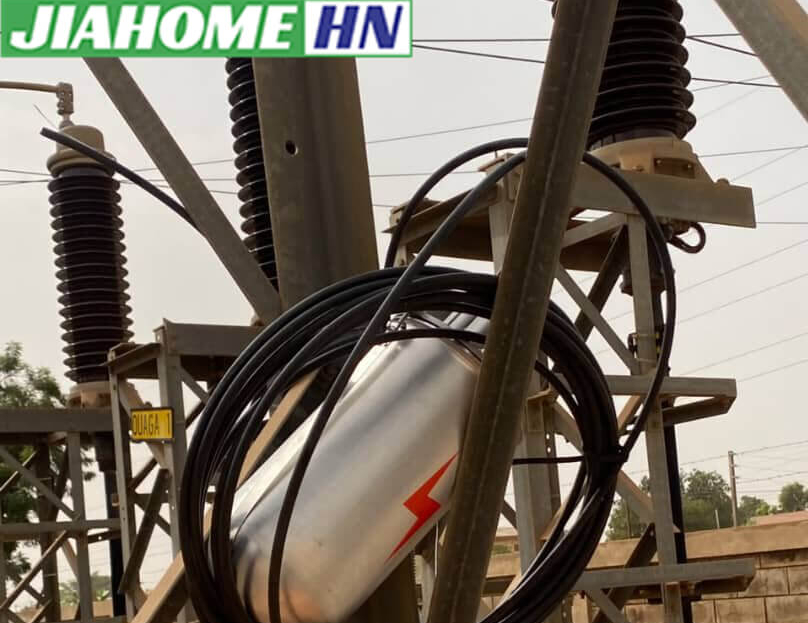
OPGW combines two important functions:
- Grounding protection: Acts as a ground wire to protect overhead transmission lines against lightning strikes.
- Optical communication: Contains optical fibers that transmit data for power system monitoring, protection, control, and communication.
When two OPGW cable sections are connected along a transmission route, their optical fibers need to be accurately spliced. The joint box provides a protected space for these connections.
2. Why Is a 48 Core OPGW Joint Box Important?
A 48 Core OPGW Joint Box is more than a simple protective enclosure. It directly affects the reliability and service life of the optical communication system.
2.1 Protects Optical Fiber Splicing Points
Optical fibers are extremely delicate. Improper protection of fusion splicing points can lead to increased attenuation, signal interruption, or communication failures.
The joint box protects fiber splices against:
- Rainwater and moisture penetration
- Dust and environmental contamination
- Mechanical impact and external damage
- Temperature fluctuations
- Long-term outdoor exposure
A properly sealed OPGW splice enclosure helps maintain stable optical transmission under demanding outdoor conditions.
2.2 Ensures Reliable Power Communication
OPGW optical fibers are widely used in power system communication networks.
Typical applications include:
- SCADA (Supervisory Control and Data Acquisition)
- Teleprotection systems
- Power grid monitoring
- Substation communication
- Data transmission between control centers
For a 220kV or 500kV transmission project, communication reliability is particularly important for real-time monitoring and protection coordination.
A reliable OPGW joint box helps prevent splice-related failures that could disrupt these communication functions.
2.3 Organizes and Manages 48 Optical Fibers
A 48-core OPGW cable contains 48 individual optical fibers. During installation, these fibers must be properly arranged, spliced, and stored.
The joint box typically incorporates fiber splice trays that help:
- Separate and organize individual fibers.
- Protect fusion splice points.
- Maintain appropriate fiber bending radius.
- Prevent fiber tangling and accidental damage.
- Facilitate future inspection and maintenance.
This organized structure makes installation more efficient and reduces maintenance difficulties.
2.4 Supports Long-Term Outdoor Operation
OPGW joint boxes are generally installed on transmission towers and exposed to outdoor environmental conditions.
Depending on the project requirements, they may need to withstand:
- UV radiation
- Heavy rainfall
- High humidity
- Wind and vibration
- High and low ambient temperatures
The enclosure material, sealing structure, and mounting accessories should be selected according to the environmental conditions of the transmission route.
3. Key Components of a 48 Core OPGW Joint Box
A typical 48 Core OPGW Joint Box consists of several important components.
| Component | Main Function |
| Outer enclosure | Protects internal components from environmental damage |
| Fiber splice tray | Organizes and protects optical fiber fusion splices |
| Fiber storage area | Stores excess fiber length while maintaining bending radius |
| Sealing system | Prevents moisture, dust, and water from entering |
| Cable entry ports | Provides access for incoming and outgoing OPGW cables |
| Mounting brackets | Securely fixes the joint box to the transmission tower |
| Fastening components | Maintain enclosure integrity and secure installation |
The exact configuration may vary depending on your project specifications. Pls Consult Our Jiahome Fiber Cable Solution Team for Details.
4. Where Is a 48 Core OPGW Joint Box Installed?
A 48 Core OPGW Joint Box is commonly installed at designated OPGW cable jointing locations along overhead transmission lines.
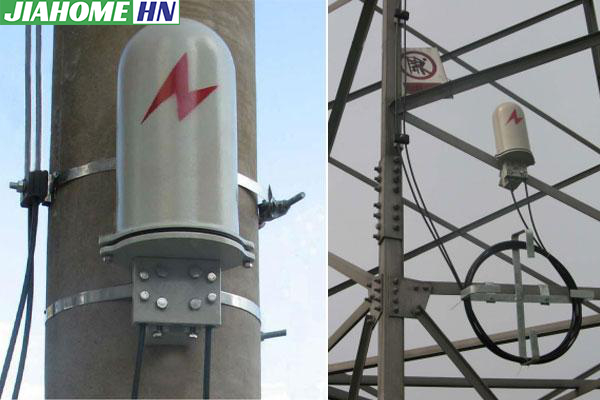
Typical installation locations include:
1. Transmission line towers
The joint box is mounted on a suitable tower position to protect the connection between two OPGW cable sections.
2. OPGW cable connection points
It is installed wherever optical fiber splicing is required to connect different cable sections.
3. Long-distance transmission projects
For transmission routes covering long distances, multiple OPGW joint boxes may be required depending on cable section lengths and engineering design.
4. Substation connection points
Joint boxes may also be used at designated transition or connection points between overhead OPGW routes and other optical communication infrastructure.
5. How to Choose the Right 48 Core OPGW Joint Box?
For EPC contractors, power utilities, and transmission line equipment suppliers, selecting an appropriate OPGW joint box requires more than checking its fiber capacity.
The following factors should be considered:
| Selection Factor | What to Check |
| Fiber capacity | Compatible with 48-core OPGW cable |
| Cable compatibility | Suitable for the cable diameter and construction |
| Sealing performance | Appropriate protection against water and dust |
| Splice capacity | Sufficient splice trays and storage space |
| Fiber bending radius | Meets the optical fiber manufacturer’s requirements |
| Enclosure material | Suitable for long-term outdoor operation |
| Installation method | Compatible with transmission tower mounting requirements |
6. Frequently Asked Questions (FAQs)
Q1. What is the main function of a 48 Core OPGW Joint Box?
Its primary function is to protect and organize the optical fiber splicing connections inside a 48-core OPGW cable system.
Q2. Why does OPGW need a joint box?
OPGW cables require fiber splicing when connecting different cable sections. The joint box protects these sensitive connections from moisture, dust, mechanical damage, and environmental exposure.
Q3. Can a 48 Core OPGW Joint Box be used for 24-core OPGW cables?
Potentially, yes. However, cable entry compatibility, fiber tray configuration, and sealing requirements should be verified before installation.
Q4. Where is an OPGW Joint Box normally installed?
It is generally mounted on overhead transmission towers at designated cable jointing points.
Q5. Is an OPGW Joint Box waterproof?
It should have a suitable sealing design to prevent water and moisture ingress.
Q6. What is the difference between an OPGW Joint Box and an ADSS Joint Box?
An OPGW joint box is designed for optical ground wire applications on transmission towers, while an ADSS joint box is designed for all-dielectric self-supporting optical cables. Their cable entry and installation structures may differ.
Q7. Does a 48 Core OPGW Joint Box require regular maintenance?
Periodic visual inspections are recommended to check enclosure integrity, mounting security, and signs of water ingress or physical damage. Maintenance frequency should follow project requirements.
Q8. Can you customize OPGW Joint Boxes?
Yes. we can offer customization according to fiber capacity, OPGW cable diameter, splice tray configuration, mounting requirements, and project specifications.
Post time: Nov-24-2026